by Shelli Kelsey | Aug 11, 2026 | Uncategorized
Real estate investing can be a powerful way to build long-term wealth and create additional income. Whether you are a first-time investor or looking to expand your portfolio, having a clear strategy can help you make more confident decisions.
Successful real estate investing is not only about buying property. It requires careful research, realistic financial planning, and an understanding of the local market.
1. Choose the Right Investment Strategy
There are several ways to invest in real estate. Investors may purchase rental properties, fix and sell homes, invest in commercial properties, or explore real estate investment trusts (REITs).
The right strategy depends on your budget, financial goals, risk tolerance, and how actively you want to manage the investment.
2. Research the Local Market
Location can have a major impact on an investment property’s potential.
Before buying, research home prices, rental demand, employment growth, neighborhood development, property taxes, and nearby amenities. Areas with strong demand and desirable features may offer better opportunities for long-term growth.
3. Understand Your Cash Flow
A property should make financial sense before you purchase it.
Calculate expected rental income and compare it with expenses such as:
-
Mortgage payments
-
Property taxes
-
Insurance
-
Maintenance
-
Property management
-
HOA fees
-
Vacancies
Understanding your potential cash flow can help you avoid unexpected financial pressure.
4. Consider Long-Term Appreciation
Rental income is only one part of a real estate investment. Property appreciation can also contribute to long-term wealth.
While no investment guarantees future growth, properties in areas with strong job opportunities, population growth, infrastructure improvements, and desirable amenities may have greater potential for appreciation.
5. Do Not Overlook Risk
Every investment carries risk, and real estate is no exception.
Changes in property values, vacancies, maintenance costs, interest rates, and local market conditions can affect your returns. Keeping an emergency fund and avoiding excessive debt can help protect your investment during challenging periods.
6. Think Beyond the Purchase Price
The purchase price is only one part of the investment.
Closing costs, repairs, financing expenses, taxes, insurance, and ongoing maintenance can significantly affect your total investment. Reviewing all costs before making an offer can give you a clearer picture of the property’s potential.
The Bottom Line
Real estate investing can offer opportunities for income, diversification, and long-term wealth building. However, successful investing starts with research and a realistic financial plan.
Whether you are considering your first rental property or expanding an existing portfolio, focus on properties that fit your goals and budget. Taking the time to understand the numbers and the local market can help you make smarter investment decisions.
by Shelli Kelsey | Aug 10, 2026 | Uncategorized
Mortgage trends continue to influence home buying, refinancing, and overall housing affordability. In 2026, buyers and homeowners are paying close attention to mortgage rates, loan options, monthly payments, and changing lending conditions.
Understanding these trends can help you make more informed real estate decisions.
1. Mortgage Rates Still Matter
Mortgage rates remain one of the biggest factors affecting home affordability. Even a small change in rates can impact a buyer’s monthly payment and purchasing power.
Instead of focusing only on finding the lowest rate, buyers should consider whether the overall monthly payment fits comfortably within their budget.
2. Affordability Remains a Priority
Higher borrowing costs have made affordability an important concern for many buyers.
Today’s buyers are looking beyond the home price and considering the complete cost of ownership, including the mortgage payment, property taxes, insurance, HOA fees, and maintenance.
Setting a realistic budget before shopping can help buyers avoid taking on more debt than they can comfortably manage.
3. More Loan Options Are Available
Buyers can choose from several mortgage options based on their financial situation and eligibility. These may include conventional loans, FHA loans, VA loans, USDA loans, fixed-rate mortgages, and adjustable-rate mortgages.
Comparing interest rates, closing costs, monthly payments, and loan terms can help buyers find financing that better matches their goals.
4. Refinancing May Create Opportunities
Homeowners are also watching mortgage rates for potential refinancing opportunities.
If rates become more favorable, refinancing could help some homeowners reduce their interest rate or monthly payment. However, refinancing comes with closing costs, so homeowners should compare the potential savings with the total cost of the new loan.
5. Technology Is Simplifying the Mortgage Process
Digital applications, electronic documents, and automated underwriting are making the mortgage process more efficient.
These tools can help reduce paperwork and speed up parts of the loan process. However, borrowers should still review their loan documents carefully and ask questions before signing.
6. Preparation Is More Important Than Timing
Mortgage rates can change based on economic conditions, inflation, and financial markets. Because future rates are difficult to predict, buyers may benefit more from being financially prepared than from waiting for the perfect rate.
Getting pre-approved, reviewing your credit, managing debt, and understanding your budget can put you in a stronger position when the right opportunity comes along.
The Bottom Line
Mortgage trends in 2026 are centered around rates, affordability, financing options, refinancing, and technology.
Whether you are buying a home or considering refinancing, focus on the complete financial picture rather than one number. A mortgage that fits your budget and long-term goals can be more important than trying to time the market perfectly.
Staying informed and working with qualified real estate and lending professionals can help you make confident decisions in today’s changing market.
by Shelli Kelsey | Aug 4, 2026 | Uncategorized
Owning a home is an exciting achievement, but it also comes with ongoing responsibilities. Regular maintenance, smart upgrades, and careful planning can help protect your investment and make homeownership more enjoyable.
You do not need to tackle everything at once. A few simple habits can help you avoid costly repairs, improve your home’s comfort, and maintain its value over time.
1. Stay Ahead of Home Maintenance
Small problems can become expensive repairs when they are ignored. Create a regular maintenance routine for important areas of your home.
Check your roof, gutters, plumbing, HVAC system, windows, doors, and exterior for signs of wear. Replacing a worn component early can often cost less than dealing with major damage later.
Keep a simple home maintenance calendar so you know what needs attention throughout the year.
2. Keep an Emergency Fund for Your Home
Unexpected repairs are part of homeownership. A broken water heater, appliance failure, plumbing issue, or roof repair can quickly affect your budget.
Setting aside money specifically for home repairs can give you greater financial peace of mind. Even small monthly contributions can build a useful reserve over time.
3. Make Energy-Efficient Improvements
Energy-efficient upgrades can improve comfort while potentially reducing monthly utility costs.
Simple improvements may include sealing air leaks, upgrading insulation, replacing outdated light bulbs, installing a programmable thermostat, or choosing energy-efficient appliances when replacements are needed.
Focus on improvements that make sense for your home and your budget.
4. Protect Your Home From Water Damage
Water damage can lead to expensive repairs and may cause problems with walls, flooring, insulation, and other parts of your home.
Check under sinks, around toilets, near appliances, and in areas where plumbing is exposed. Clean gutters regularly and make sure water drains away from your home’s foundation.
Taking care of small leaks quickly can help prevent larger problems.
5. Review Your Home Insurance
Your home and belongings can change over time, so it is a good idea to review your homeowners insurance periodically.
Consider whether your coverage still reflects your home’s current value, improvements, and belongings. Ask your insurance professional about available coverage and whether any updates to your policy may be appropriate.
6. Be Strategic With Home Improvements
Not every renovation needs to be expensive to make a difference.
Fresh paint, improved lighting, updated fixtures, landscaping, and better storage can enhance your home’s appearance and functionality.
If you are considering a larger project, think about both your personal enjoyment and the potential impact on your home’s future marketability.
7. Keep Important Home Records Organized
Save documents related to your home in one secure location. This may include insurance information, warranties, receipts, inspection reports, renovation records, appliance manuals, and contractor information.
Good records can make future repairs, insurance claims, and home improvements easier to manage.
8. Think About Your Home’s Long-Term Value
Your home is more than a place to live. It is also a significant financial asset.
Pay attention to your neighborhood, local market conditions, property improvements, and changes that could affect your home’s value. You do not need to constantly monitor the market, but staying informed can help you make better decisions.
Smart Homeownership Starts With Small Steps
Being a successful homeowner does not mean completing every project at once. It means taking care of your home consistently and making thoughtful financial decisions.
Regular maintenance, an emergency savings plan, smart improvements, and proper insurance coverage can help protect your home and your investment.
When you take a proactive approach, you can enjoy your home with greater confidence while preparing for the future.
by Shelli Kelsey | Aug 3, 2026 | Uncategorized
Buying your first home is an exciting milestone, but the process can also feel overwhelming. From saving for a down payment to choosing the right neighborhood and understanding your mortgage options, there are many decisions to make.
The good news is that you do not have to figure everything out at once. With the right preparation and a clear plan, buying your first home can be a smoother and more confident experience.
1. Know Your Budget Before You Start Looking
Before browsing homes online or scheduling showings, take a close look at your finances.
Consider your income, monthly expenses, savings, debts, and future financial goals. Your home budget should include more than the mortgage payment. Remember to account for property taxes, homeowners insurance, utilities, maintenance, and other homeownership costs.
Knowing what you can comfortably afford can help you avoid falling in love with a home that stretches your budget too far.
2. Save for Your Down Payment and Closing Costs
A down payment is one of the biggest expenses for many first-time buyers. However, the amount you need can vary depending on the loan program and your financial situation.
You should also plan for closing costs, which may include lender fees, title services, inspections, and other expenses related to purchasing the home.
Creating a savings plan early can make these costs easier to manage.
3. Get Pre-Approved for a Mortgage
Mortgage pre-approval can give you a clearer idea of how much you may be able to borrow. It can also show sellers that you are a serious buyer.
Before choosing a loan, compare different mortgage options and understand the interest rate, monthly payment, loan term, and total costs.
A mortgage professional can help you understand which options may fit your situation.
4. Decide What You Really Need in a Home
It is easy to focus on beautiful kitchens, large yards, or updated bathrooms when viewing homes. However, first-time buyers should also think about how the home will support their everyday life.
Make a list of your priorities. Consider the number of bedrooms, location, commute, schools, outdoor space, storage, and access to shopping and services.
Separate your must-haves from features that would simply be nice to have. This can make your home search more focused.
5. Choose the Right Location
You can change many things about a home, but you cannot move its location.
Think about the neighborhood and how it fits your lifestyle. Look at commute times, nearby amenities, parks, schools, community features, and future development.
A home that meets your needs in a location you enjoy can provide greater satisfaction over the long term.
6. Do Not Skip the Home Inspection
A home may look perfect during a showing, but an inspection can uncover issues that are not immediately visible.
Depending on the property, an inspection may identify concerns with the roof, plumbing, electrical systems, foundation, heating, cooling, or other major components.
Understanding the property’s condition can help you make a more informed decision before completing the purchase.
7. Think Beyond the Purchase Price
The purchase price is only one part of the cost of owning a home.
First-time buyers should also consider ongoing expenses such as maintenance, repairs, utilities, insurance, property taxes, and possible homeowners association fees.
Planning for these costs can help you feel more financially prepared after moving in.
8. Take Your Time and Ask Questions
Buying your first home is a major decision. You do not need to rush simply because the process feels exciting or competitive.
Ask questions whenever something is unclear. Understand the offer, financing, inspection, closing process, and any other terms before moving forward.
Having knowledgeable professionals by your side can make the process easier to understand and navigate.
Your First Home Is About More Than Four Walls
Your first home is an important financial decision, but it is also where you may build new routines, create memories, and plan for the future.
The best first home is not necessarily the biggest or most expensive one. It is a home that fits your budget, lifestyle, and long-term goals.
With careful planning, realistic expectations, and the right guidance, you can approach the home-buying process with greater confidence and take an important step toward homeownership.
by Shelli Kelsey | Jul 28, 2026 | Uncategorized
Buying a home is one of the biggest financial decisions you will ever make. Whether you are purchasing your first home or moving into a new one, understanding the home-buying process can help you avoid costly mistakes and make confident decisions.
The real estate market changes over time, but careful planning and the right guidance can help you find a home that fits your needs and budget.
Start by Understanding Your Budget
Before you begin searching for homes, take a close look at your finances. Determine how much you can comfortably afford each month, including your mortgage payment, property taxes, homeowners insurance, and maintenance costs.
Creating a realistic budget helps you narrow your search and prevents disappointment later in the process.
Get Pre-Approved for a Mortgage
A mortgage pre-approval is one of the most important steps in home buying. It gives you a clear understanding of your borrowing power and shows sellers that you are a serious buyer.
Being pre-approved can also make your offer more competitive, especially in markets where desirable homes receive multiple offers.
Make a List of Your Priorities
Every buyer has different needs. Before touring homes, create a list of features that matter most to you.
Consider factors such as:
- Number of bedrooms and bathrooms
- School districts
- Commute time
- Neighborhood amenities
- Outdoor space
- Future resale value
Knowing your priorities helps you stay focused and avoid making emotional decisions.
Research the Neighborhood
Buying a home is also an investment in the community. Spend time exploring neighborhoods during different times of the day.
Look for nearby schools, parks, shopping centers, restaurants, healthcare facilities, and transportation options. Understanding the neighborhood helps ensure it matches your lifestyle and long-term goals.
Never Skip the Home Inspection
A home may appear perfect during a showing, but hidden issues can become expensive after closing.
A professional home inspection can identify structural concerns, roofing issues, plumbing problems, electrical defects, and other repairs that may affect your purchase decision.
An inspection also provides an opportunity to negotiate repairs or seller concessions before finalizing the transaction.
Think About Long-Term Value
When buying a home, think beyond your current needs. Consider whether the property will continue to meet your lifestyle over the next several years.
Features such as a desirable location, quality construction, and access to community amenities often contribute to stronger long-term property values.
Work With a Trusted Real Estate Professional
An experienced real estate agent can simplify the home buying process by helping you find suitable properties, negotiate effectively, and guide you through contracts, inspections, and closing.
Professional guidance can save both time and money while reducing the stress that often comes with buying a home.
Be Patient During Your Search
Finding the right home may take time. Avoid rushing into a purchase simply because you feel pressure to buy quickly.
Waiting for the right property can help you make a better investment and avoid buyer’s remorse.
Final Thoughts
Home buying is an exciting journey that requires preparation, patience, and informed decision-making. By understanding your budget, securing mortgage pre-approval, researching neighborhoods, and working with experienced professionals, you can confidently move toward homeownership.
Every successful home purchase begins with careful planning. The more informed you are, the more likely you are to find a home that meets your needs today and provides value for years to come.
by Shelli Kelsey | Jul 8, 2026 | OPEN HOUSE | Residential | Active
 OPEN HOUSE: Sun, Jul 12, 2026 12:00 PM – 02:00 PM
$224,000
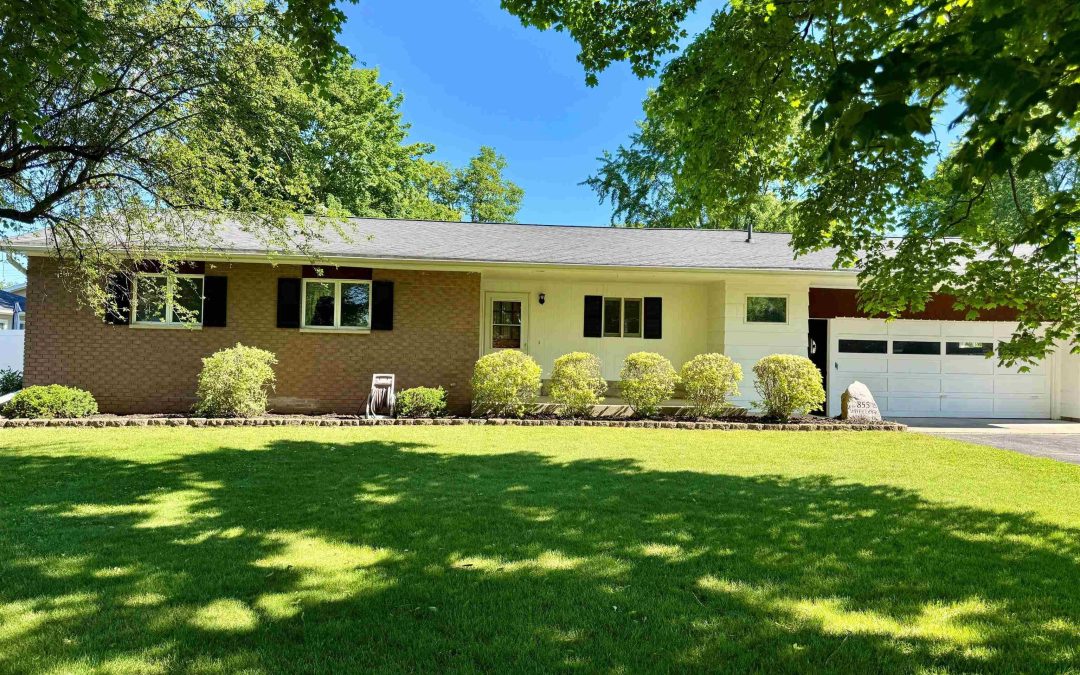
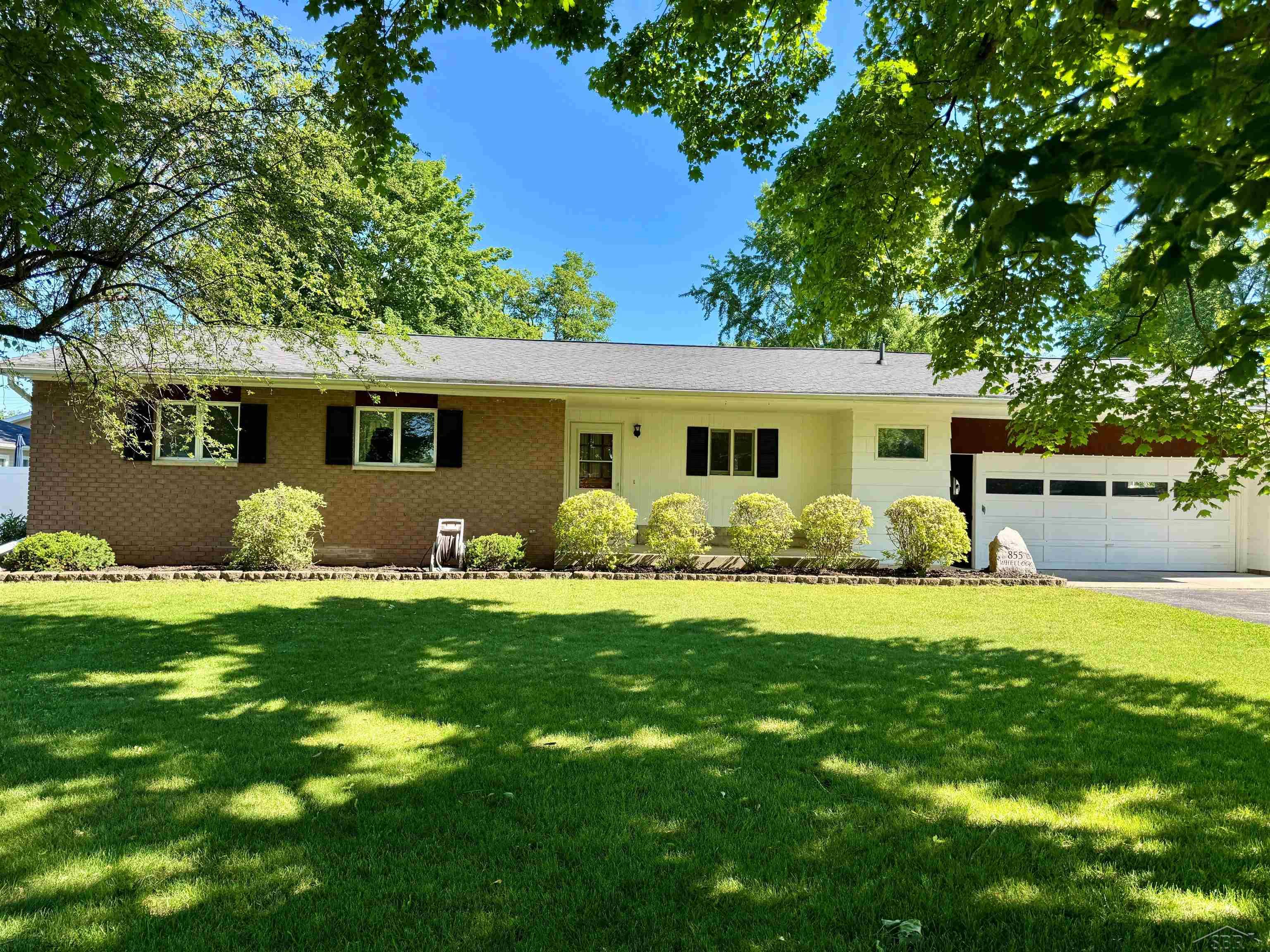
Back on the Market! A second chance to make this beautiful home yours. Welcome home to this charming and well-maintained ranch nestled in one of Freeland’s most desirable neighborhoods! Offering 1,274 square feet of comfortable living space, this 3-bedroom, 1.5-bath home sits on a spacious .27-acre lot with plenty of room to relax, entertain, and enjoy the outdoors. Step inside to find a bright and inviting floor plan featuring a generous living area, functional kitchen, and comfortable bedrooms designed for everyday living. The home’s thoughtful layout provides both convenience and flexibility, making it ideal for first-time buyers, growing families, or those looking to downsize without sacrificing space. Outside, the large backyard offers endless possibilities for gardening, play, pets, or summer gatherings. Located in the highly sought-after Freeland School District, this property is just minutes from schools, parks, shopping, dining, and major commuter routes. If you’re looking for a place to call home, 835 Wheelock Dr offers small-town charm, a convenient location, and exceptional value. Don’t miss your chance to make this Freeland gem your own!
by Shelli Kelsey | Jun 29, 2026 | Business Opportunity | Active

$199,000
Active
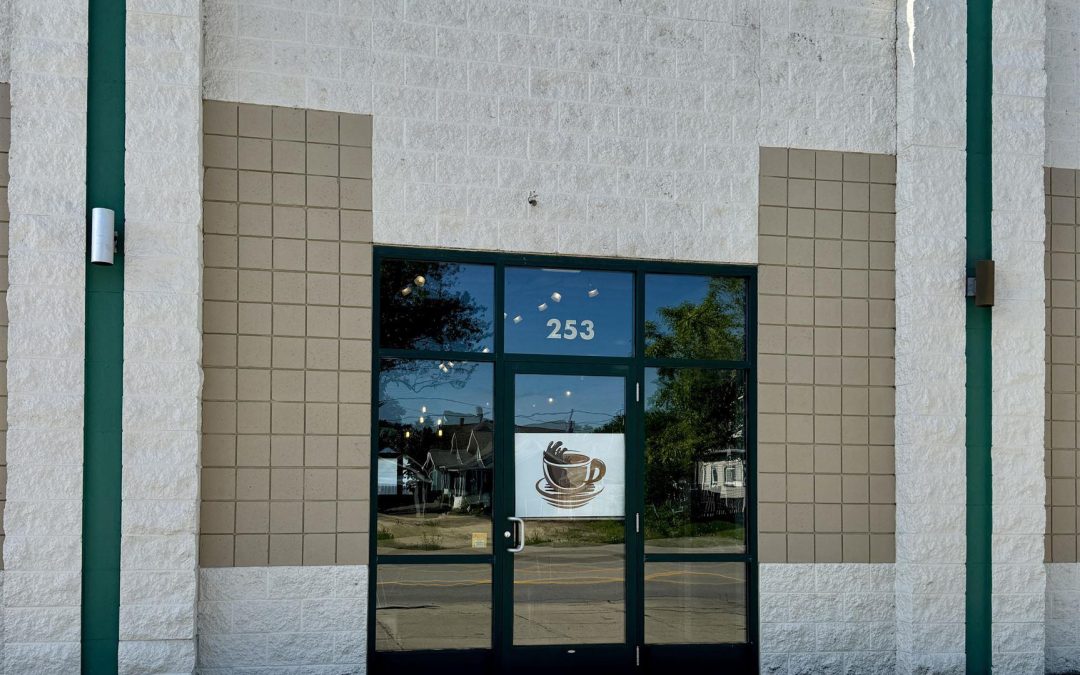
Turnkey Coffee Shop Opportunity in the Heart of Hemlock! Don’t miss this rare opportunity to own a fully renovated, move-in-ready coffee shop located in downtown Hemlock. Situated at 253 Saginaw Street, this attractive commercial property offers approximately 1,150 square feet of thoughtfully designed space with seating for up to 50 guests. The building underwent a complete renovation in 2023 and features all new equipment that has never been used, allowing a new owner to open for business immediately with minimal startup costs. The stylish interior provides a warm and inviting atmosphere ideal for a coffee shop, café, bakery, or specialty beverage concept. The sale includes the real estate, fixtures, furnishings, and equipment, creating an exceptional opportunity for entrepreneurs looking to launch a new venture or expand an existing brand. High visibility along Hemlock’s main corridor offers excellent exposure and convenient access for customers. Whether you’re an owner-operator, investor, or coffee industry professional, this turnkey property presents a unique chance to bring your vision to life in a growing community. Schedule your private showing today and explore the possibilities this exceptional commercial property has to offer.
by Shelli Kelsey | Jun 26, 2026 | Residential | Pending
$224,000
Pending
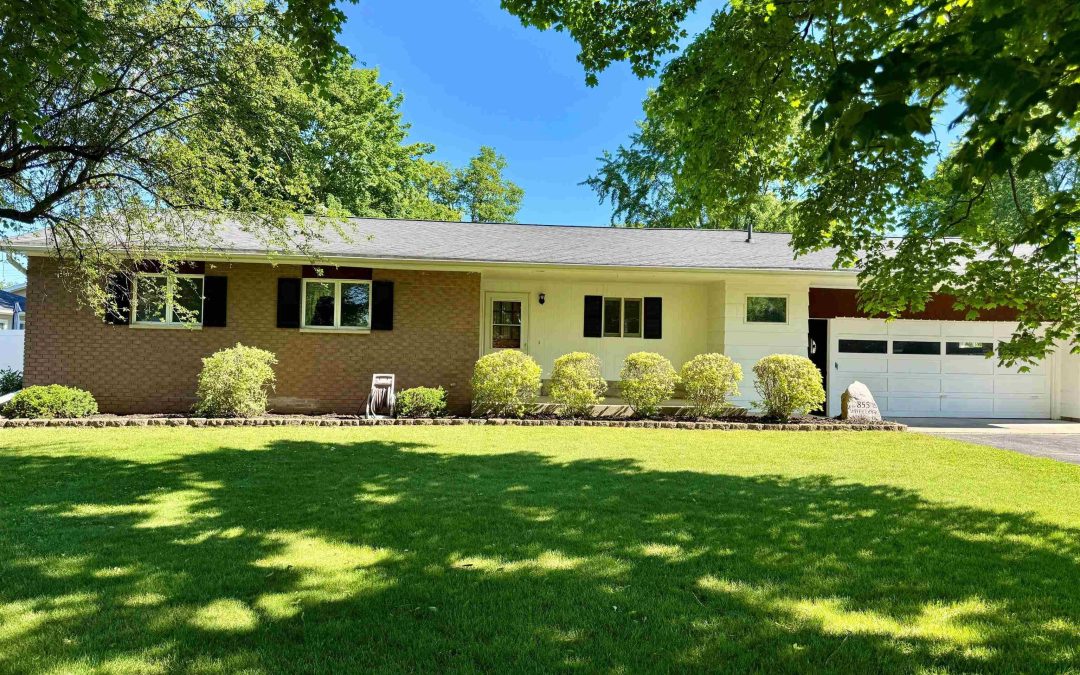
Welcome home to this charming and well-maintained ranch nestled in one of Freeland’s most desirable neighborhoods! Offering 1,274 square feet of comfortable living space, this 3-bedroom, 1.5-bath home sits on a spacious .27-acre lot with plenty of room to relax, entertain, and enjoy the outdoors. Step inside to find a bright and inviting floor plan featuring a generous living area, functional kitchen, and comfortable bedrooms designed for everyday living. The home’s thoughtful layout provides both convenience and flexibility, making it ideal for first-time buyers, growing families, or those looking to downsize without sacrificing space. Outside, the large backyard offers endless possibilities for gardening, play, pets, or summer gatherings. Located in the highly sought-after Freeland School District, this property is just minutes from schools, parks, shopping, dining, and major commuter routes. If you’re looking for a place to call home 835 Wheelock Dr offers small-town charm, a convenient location, and exceptional value. Don’t miss your chance to make this Freeland gem your own!
by Shelli Kelsey | Jun 25, 2026 | Land | Active

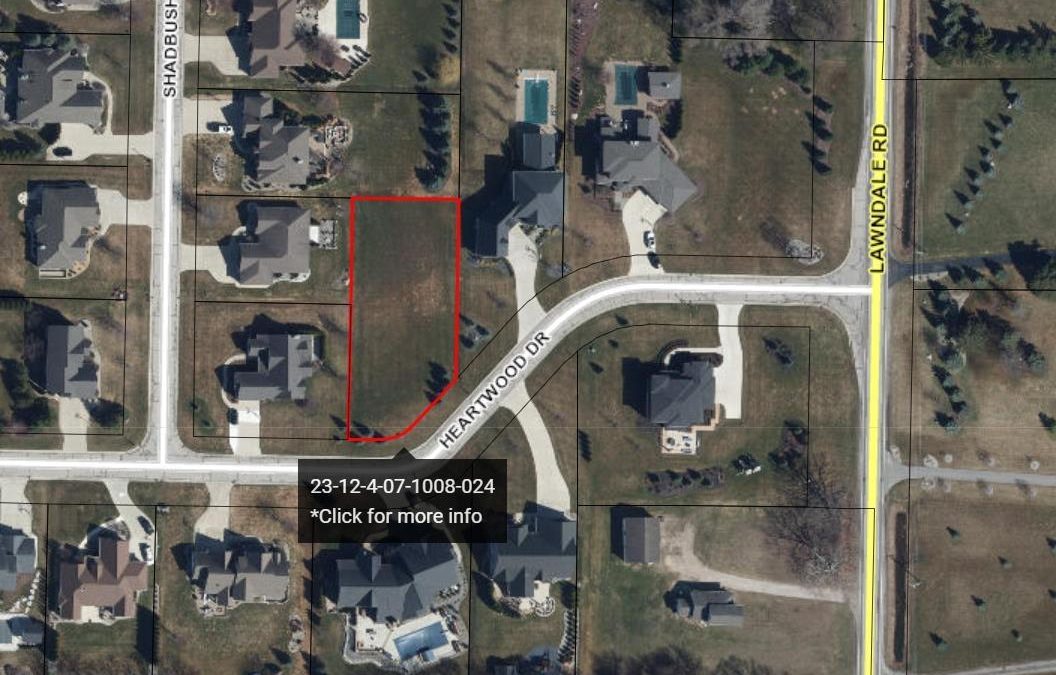
$48,000
Active
Build your dream home on this desirable vacant lot located on Heartwood Trail in Saginaw, Michigan. Tucked into a quiet, established neighborhood, this parcel offers a peaceful setting with the convenience of nearby schools, shopping, dining, and easy access to major roadways. The lot provides a great opportunity for a custom build with room for outdoor living while enjoying the privacy and charm of the surrounding area. This property offers flexibility and potential in a sought-after location. Bring your plans and start creating your next chapter on Heartwood Trail.
by Shelli Kelsey | Jun 19, 2026 | OPEN HOUSE | Residential | Active
OPEN HOUSE: Sun, Jun 21, 2026 12:00 PM – 02:00 PM
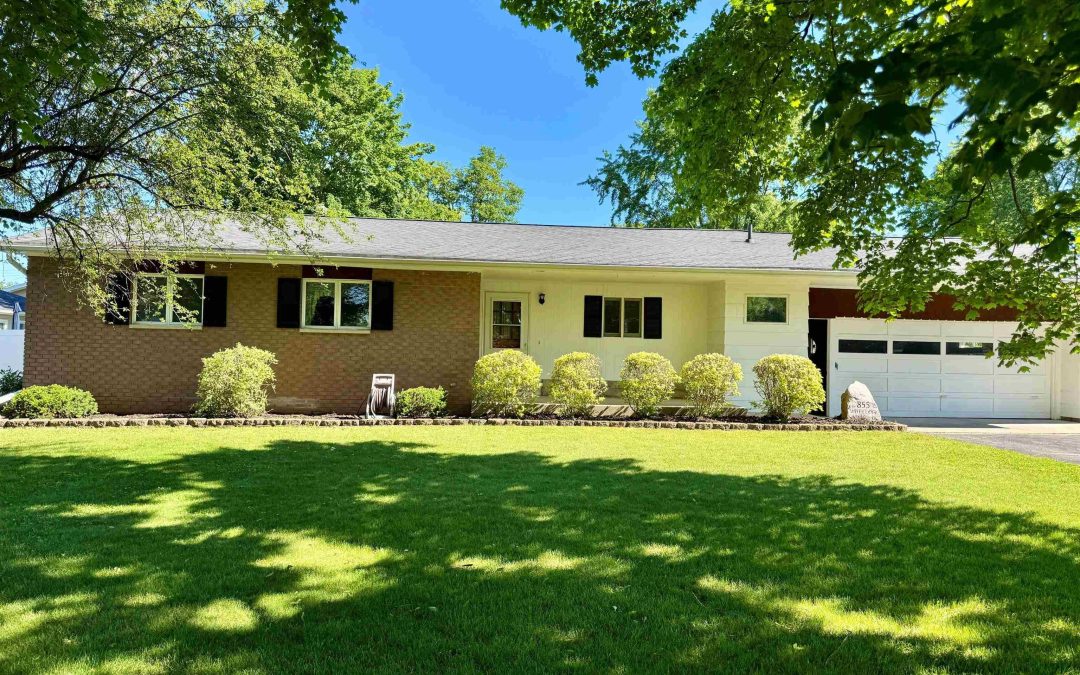
$224,000
Welcome home to this charming and well-maintained ranch nestled in one of Freeland’s most desirable neighborhoods! Offering 1,274 square feet of comfortable living space, this 3-bedroom, 1.5-bath home sits on a spacious .27-acre lot with plenty of room to relax, entertain, and enjoy the outdoors. Step inside to find a bright and inviting floor plan featuring a generous living area, functional kitchen, and comfortable bedrooms designed for everyday living. The home’s thoughtful layout provides both convenience and flexibility, making it ideal for first-time buyers, growing families, or those looking to downsize without sacrificing space. Outside, the large backyard offers endless possibilities for gardening, play, pets, or summer gatherings. Located in the highly sought-after Freeland School District, this property is just minutes from schools, parks, shopping, dining, and major commuter routes. If you’re looking for a place to call home 835 Wheelock Dr offers small-town charm, a convenient location, and exceptional value. Don’t miss your chance to make this Freeland gem your own!